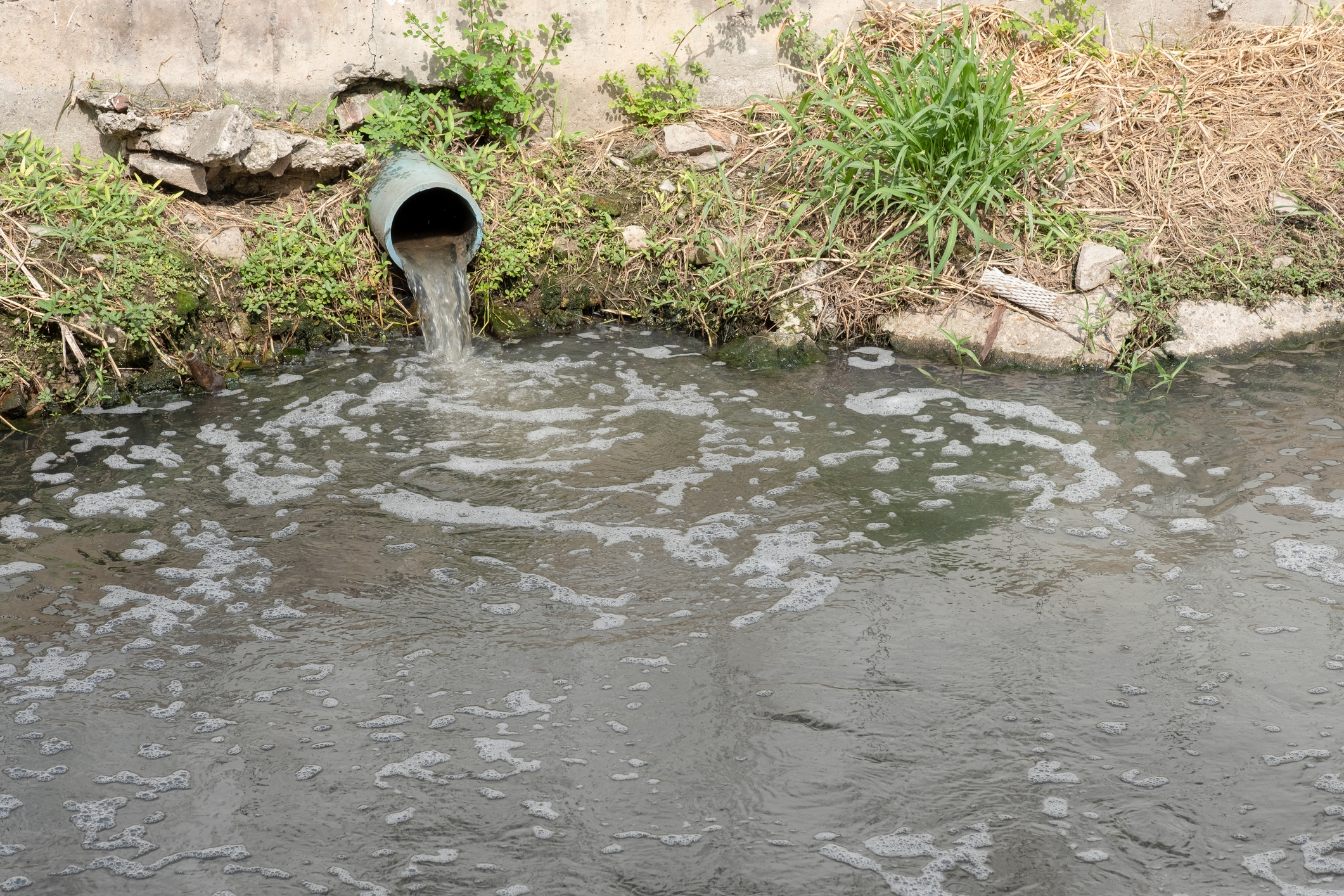
The alleged debt owed by Monsanto continues to climb, as the city of Redwood City and other plaintiffs in a recently filed lawsuit work on plans to remediate polychlorinated biphenyls pollution caused by the former agrochemical biotech giant.
Last week, San Mateo County and nine of its municipalities and towns, including Redwood City announced they had filed a lawsuit against Monsanto for the incurred costs to remove polychlorinated biphenyls (PCBs) contamination from the areas and the San Francisco Bay.
The Redwood City Council authorized city officials to join the lawsuit during a closed city council session in November, according to Jennifer Yamaguma, communications manager for the city manager’s office.
The city joined the lawsuit to hold Monsanto, now Bayer, “accountable for the massive costs it has and will incur to remove PCB contamination from its jurisdiction and the San Francisco Bay," Yamaguma said. While the total estimation of costs from the contamination is ongoing, the plaintiffs are requesting compensatory and punitive damages to be determined at trial. They are also requesting the court require Monsanto to pay for any future costs they may incur, according to the lawsuit.
In 2008, the San Francisco Bay Regional Water Quality Control Board declared Redwood City Harbor as a PCBs “hotspot” and listed a number of adverse environmental impacts related to PCBs contamination. The report also proposed various projects to remediate PCBs-related pollution.
One such plan was a design for a regional 43.2 acre-foot stormwater capture project at Red Morton Park, according to the Countywide Water Pollution Prevention Program’s FY 2019-20 Annual Report. The initial cost of the project was estimated to be more than $41.1 million, including the design and construction of the retention facilities underneath the playing fields. The annual ongoing costs would be more than $1.6 million, according to the report.
Other remediation projects initiated by Redwood City include targeted community education events or programs, such as the “stormwater pollution prevention program, which includes educating the community – residents and businesses – on how to prevent pollution and properly dispose of hazardous waste,” said Yamaguma.
In an email to the Pulse, Bayer called the case against Monsanto "meritless."
"Where it has been determined that cleanups are necessary, federal and state authorities employ an effective system to identify dischargers and site owners and allocate clean-up responsibilities to them. Litigation of the sort brought by local governments risks undermining these efforts," Bayer said in its statement.
The plaintiffs joining the county in the lawsuit are Atherton, East Palo Alto, Foster City, Menlo Park, Portola Valley, Redwood City, San Carlos, San Mateo and Woodside.
The plaintiffs are requesting a jury trial.
Read Bayer's full statement below.
“Monsanto believes the case is meritless as the Company voluntarily ceased its lawful manufacturing of PCBs more than 40 years ago, and never manufactured, used or disposed of PCBs in the state. Moreover, PCBs were previously required by governments in the state to mitigate certain fire and explosion risks. The class settlement reached by Monsanto with over 2,500 local governments has been preliminarily approved and it is not uncommon to receive a small number of opt-outs to these agreements especially when there is a large class. Where it has been determined that cleanups are necessary, federal and state authorities employ an effective system to identify dischargers and site owners and allocate clean-up responsibilities to them. Litigation of the sort brought by local governments risks undermining these efforts.”
Leah Worthington contributed to this report.