How many of these events do you recall?
Winter Olympics in Grenoble, Congress repeals gold standard back to US currency. Mattel's Hot Wheels cars hit the market, Intel was founded, and the Farmington mine disaster in West Virginia killed 78 men.
The year was 1968.
While other much more notable events took place that year, there is one which many of us may not recall: Rabbit ears started to disappear.
What are rabbit ears?
They are two metal antennae that sit atop our television sets. They attached to the VHF(very-high frequency) and UHF(ultra-high frequency) connectors on the back of our TV sets, allowing us to receive broadcast signals from local stations.
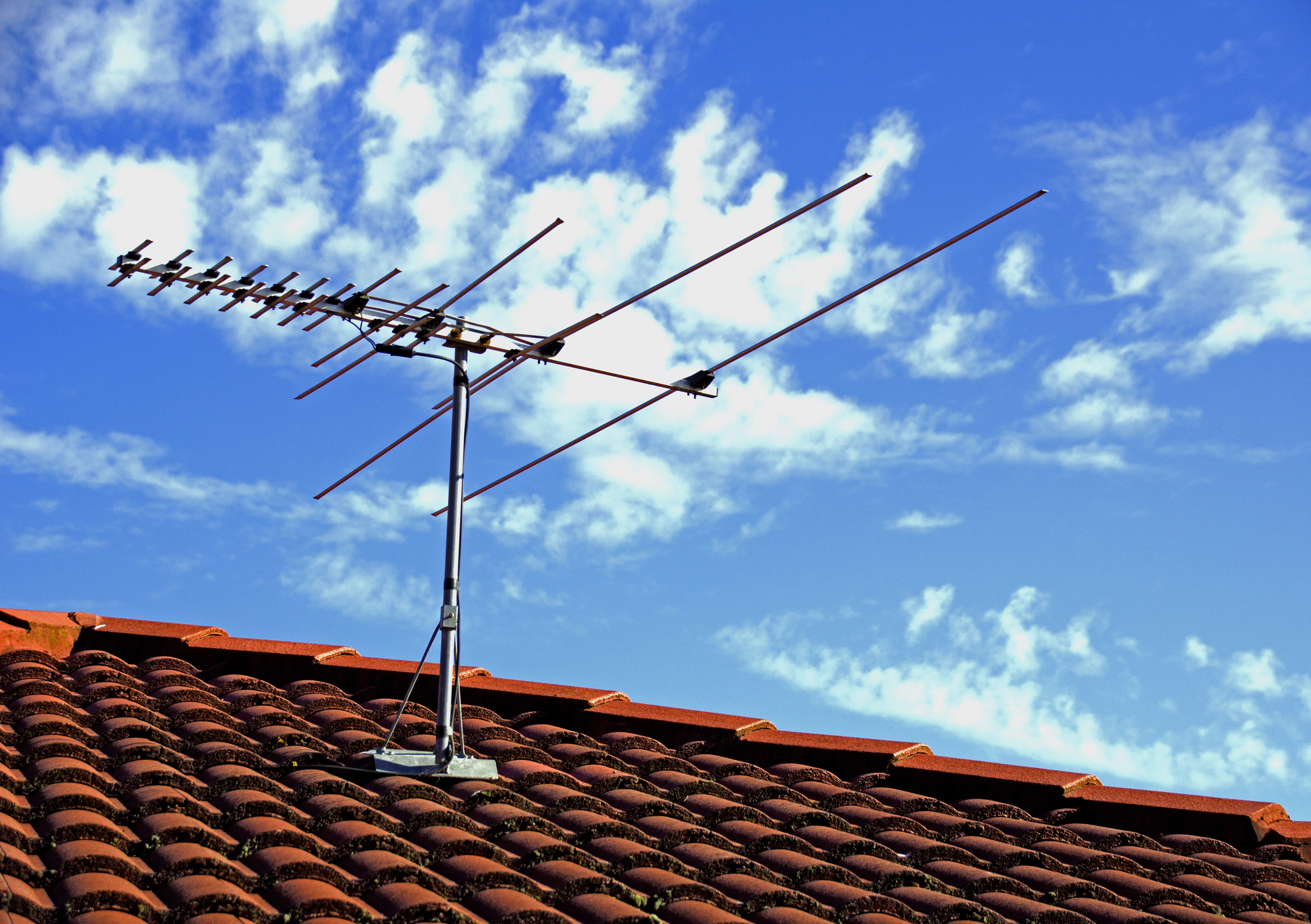
Many people had roof antennas as well.
In those days, the Bay Area, I recall, had six VHF stations and four UHF stations.
Why did rabbit ears begin to disappear?
A brand new technology began to emerge called "cable TV." Many of us recall tractors on our streets that dug trenches roughly 18 – 24 inches deep to lay cable in most neighborhoods. Each home had its connection linked to the cable in the street trench.
For customers who opted to purchase the new technology, they received a small round adaptor, which screwed onto the VHF and UHF connectors on the back of the TV. The adaptor was connected via cable to the trench in the street.
From there, all local cables were connected to a central location in each city. They all connected to Sutro Tower in San Francisco, which ultimately was updated and stood 977 feet high.

So, what did the initial rollout of this revolutionary technology offer us? One thing: a better-quality picture. No new channels, no additional services. Yes, indeed, that is the sum of it! Why did thousands of new customers welcome this?
In those days, with only rabbit ears to receive the broadcast signal, customers would experience interruptions to signals from various sources, especially airplanes flying overhead. Said interruptions, which happened frequently, would cause the picture to start rolling, blinking, or, in most cases, become snow, making the broadcast unwatchable for several seconds.
The new technology offered a stronger, clearer, steady signal without interruption.
Subscribing to this initial rollout of cable TV generally costs around $5 – 6 monthly.
Actual new programming came after this first generation of cable TV.
Rabbit ears slowly became a thing of the past.
By the way, For locals, 1968 was the year Frank's Tannery burned down in one of the largest fires in Peninsula history.
Everything else is just history