The name Mark Hopkins has resonated with locals for decades. He was a nineteenth-century railroad magnate, who along with Leland Stanford and Charles Crocker combined to form the Central Pacific Railroad Co. They constructed the route that went over the Sierra Nevada range to Promontory Point in Utah, which completed a coast-to-coast railroad line.
Moses
Somewhat lesser known is Mark’s brother Moses. However, Moses left an important mark on Redwood City.
The widow of Horace Hawes sold their estate, known as “Hawes Farm,” to Moses Hopkins in 1880. Hopkins raised and bred thoroughbred horses. He developed what became known as Emerald Lake as a resource for his ranch.
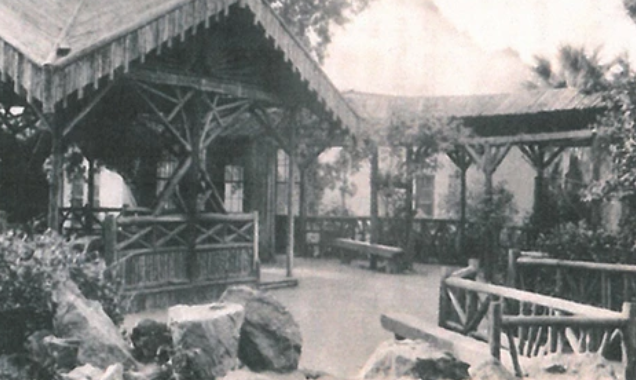
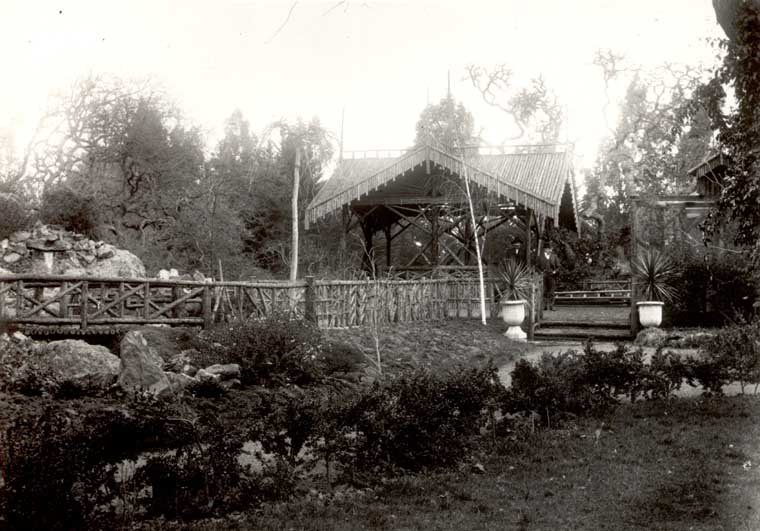
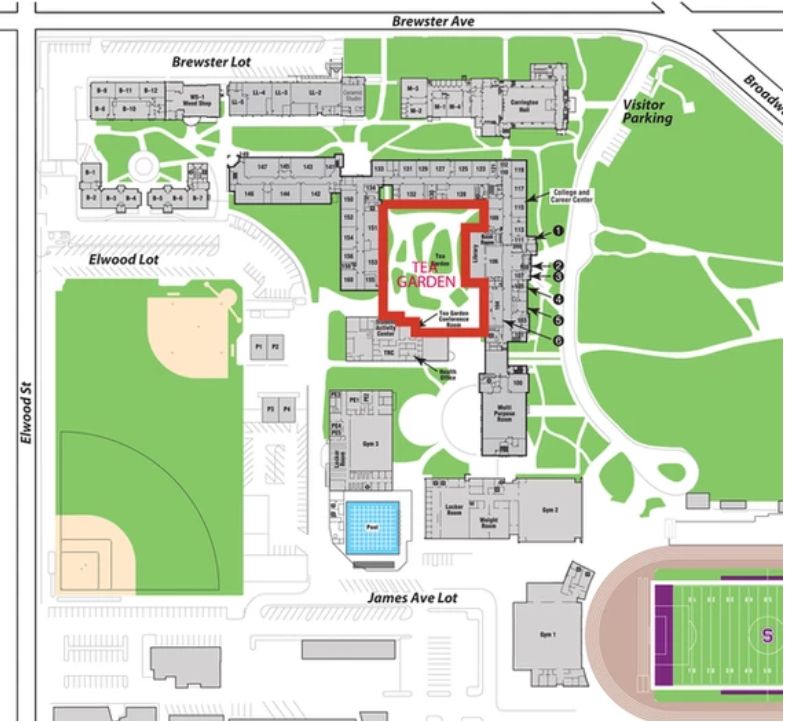
Sequoia High School sits on land which used to be his estate. The campus is one of the most beautiful high school campuses in all of California. One reason is the exotic garden, which was part of a larger garden built during the time Hopkins owned the land.
In the 1920’s it was known as the “Garden of the Cherokee,” since Sequoia had chosen “Cherokees” as the school mascot.
Formal Japanese Garden
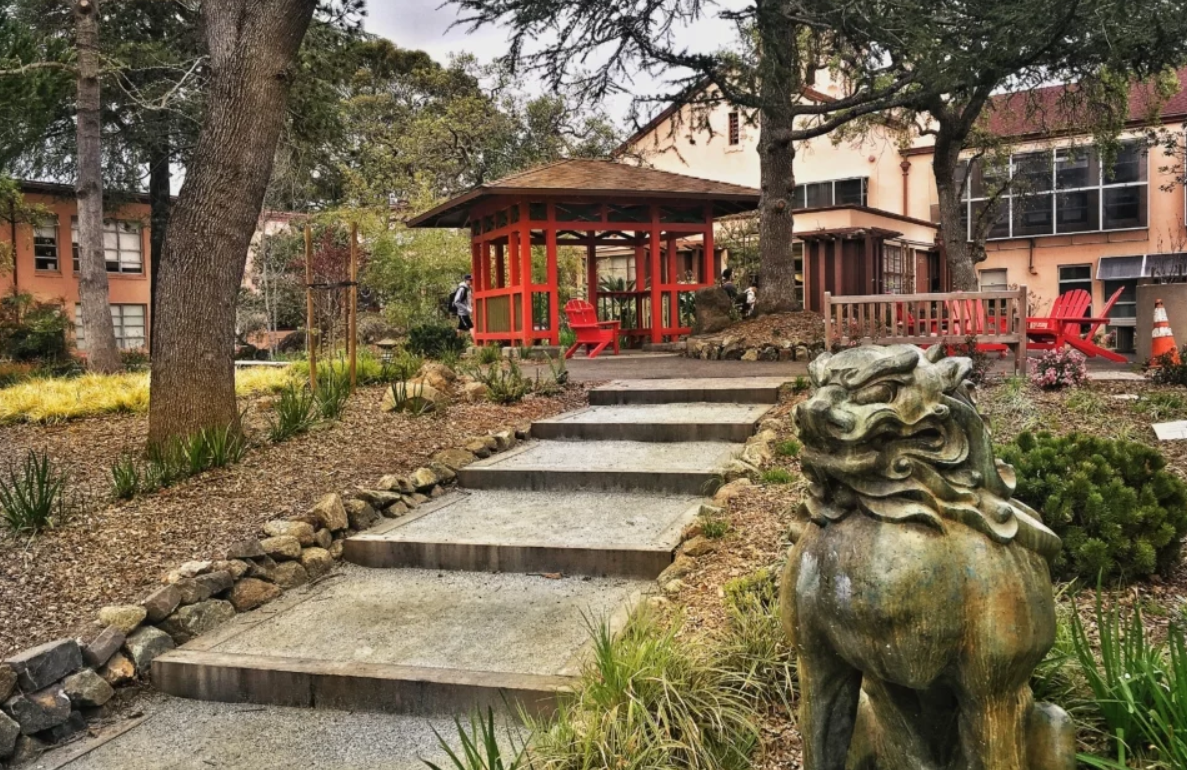
In 1936 a group of dedicated Japanese students undertook an extensive project to convert the garden into a formal Japanese Tea Garden. The project took three years to complete.
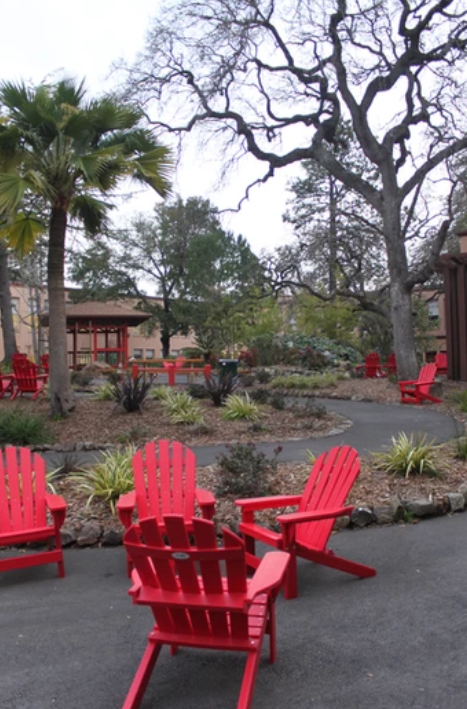
Over the years the garden began to show wear and tear, so a major renovation was planned. After extensive work, the project was completed in 2016. What Moses Hopkins began over a century ago remains the centerpiece of one of California’s most beautiful high school campuses.
Now you know about Moses and the Garden.
Everything else is just history
Some of the photos used in this blog are courtesy of the Local History Room, Redwood City's best-kept secret. The Local History Collection covers all aspects of Redwood City's development, from the 1850s to the present day, with particular emphases on businesses, public schools, civic organizations, city agencies, and early family histories. The Local History Room is not affiliated with the Redwood City Public Library, but it is inside it.