It involved a love triangle but may have been committed by a still unknown murderer.
Kathleen Robinson’s body was found one night in January of 1935 on a sidewalk on Poplar Avenue in San Mateo, just 60 feet from the railroad underpass and less than two blocks from her home.
There may have been two witnesses. One man reported seeing a man and a woman walking in the underpass at the approximate time of the murder. Another witness reported seeing a body on the ground, moving, but she thought it was just a drunk person who had fallen. She said the body cried out like “a goat frightened by a train.”
At the time of her death, Kathleen had been seeing Frank Alcalde, a native of Spain. She had begun dating Alcalde after breaking up with her long-time boyfriend, Bernard Pease. During the investigation into the murder, however, the police found that “Miss Robinson had been seen several times recently in San Francisco beer parlors in company with (unknown) men,” and there were reports of her being involved to some degree with a married San Francisco resident.
These details were salacious at the time but unfairly colored Kathleen as somewhat partially responsible for her death.
As the investigation progressed, clues fell into place. One report stated that a cigarette was found “clutched” in Kathleen’s hand – coincidentally the same brand that Alcalde smoked.
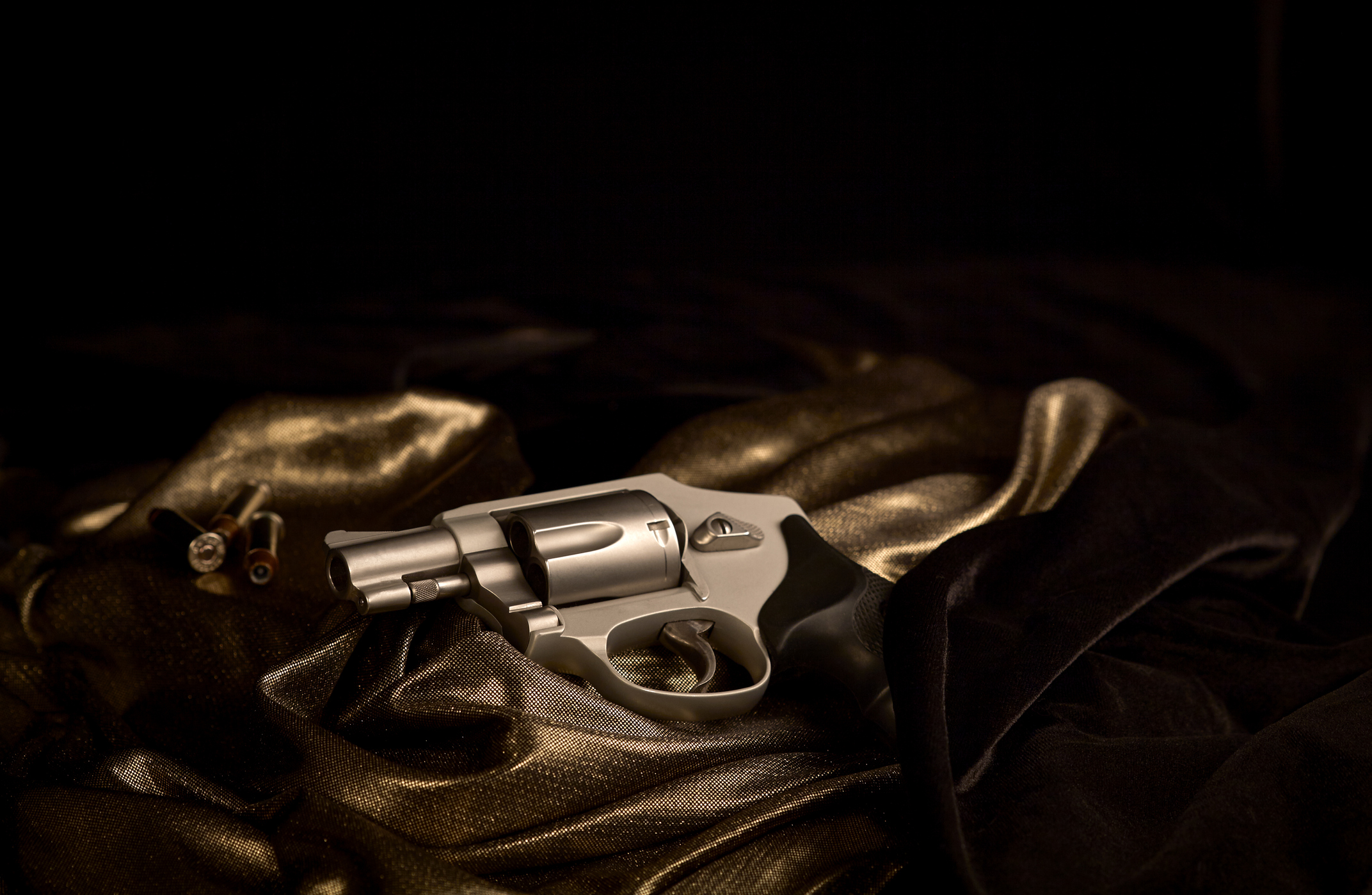
The coroner determined that the victim had been shot in the head from above with a .38 caliber gun, the bullet ending up lodged in her mouth.
Despite the presence of the chief of the State Bureau of Investigation and a reward for information personally offered by San Mateo Police Chief Thomas P. Burke, the investigation soon went cold. It was reopened the following January by the district attorney’s office, who promised that “when the right moment comes, I shall go before the county grand jury.”
Alcalde would eventually be brought before a judge for the murder, but Kathleen’s landlady testified that he was with her at the supposed time of the murder. He was never held for trial. Pease would be brought in for questioning, at which time he confessed to stalking her after their breakup, a situation he “blames (on) his foot troubles,” which he also stated prevented him from holding a job. He said: “on my honor, I didn’t kill her.”
As time passed, the lives of the peripheral players of the case would go on to have their own dramas. Alcalde would be executed in August 1944 for an unrelated bludgeoning of a girlfriend. Pease was later held up at gunpoint near Third Avenue and B Street and locked in a restroom of a vacant building. Kathleen’s two half-siblings were awarded her life insurance money after a legal struggle ended in July 1936.
And, most tragically, Kathleen’s brother Tom attempted suicide in July 1939 because he “brooded over his sister’s murder.” He died a little over one year later in a fatal car accident at El Camino Real and Whipple Avenue.
Kathleen’s murder was never solved.