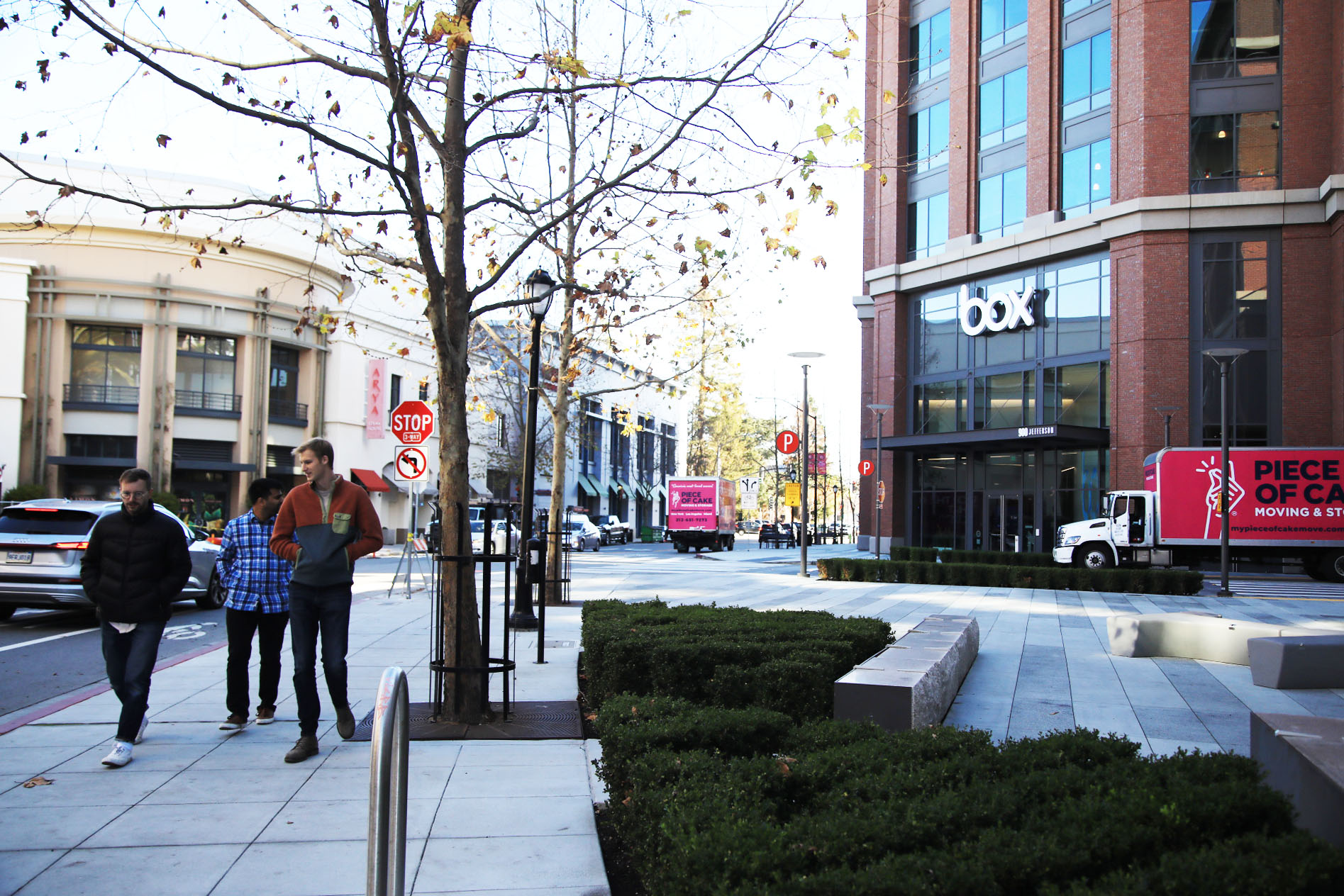
For many, working from home has become the status quo since the COVID-19 pandemic. This shift has caused workplaces to adjust significantly, but a downside of the change is its negative impact on the local economy, city revenue, and developer plans.
Last year, more than 30,000, or 7.82%, San Mateo County residents worked from home, a figure equal to the population of San Carlos, according to San Mateo County All Together Better's website.
For Redwood City, the trend resulted in 25% vacancy rates in the city's commercial and office rental space, according to a 2023 city staff report.
In 2016, 3% of commercial office spaces were vacant. And that number floated around that mark until 2019 when it rose to 6.6%. Following the pandemic in 2021, vacancy rates rose to 12.4%, and a year later it climbed to 18.9%, according to Cushman and Wakefield data provided by the city.
Ken Housley, Pacific Commercial Brokers owner, said healthy vacancy rates float around 12% to 18%, which allow for market movement and transactions, causing it to be more balanced.
"It gives plenty of new choices for new companies, and mostly, the landlords aren't going broke," Housley said.
When vacancy rates in the city were around 3% in 2016, it was unfavorable for tenants because landlords had more leverage and could offer spaces for higher prices with fewer amenities, Housley added.
Additionally, increased commercial vacancy rates create a financial fallout to local businesses and city revenue. Property taxes fund 37% of the city's operating budget, and sales taxes fund around 22%, all of which have declined, according to a staff report.
During a Nov. 27, 2023, City Council meeting, Assistant City Manager Michelle Poche Flaherty said that in 2023, the city needed to dip into its reserve fund to pass a balanced budget for the first time in years.
"With fewer people coming to Redwood City for work, fewer people buy things here, which means fewer people are paying sales tax,” Poche Flaherty said. “We can also expect property tax revenues to soften because commercial property owners are collecting less lease revenue."
Last month, Hunter Properties purchased Sequoia Station for $53 million, a $20 million loss for previous owners, Lowe Enterprises. Lowe previously planned to transform the more than 6-acre shopping center into a transit-oriented, mixed-use development, dividing the property into six new blocks with 631 multi-family residential units, 254 of which would have been affordable. Another 1.2 million square feet was planned for office space, 166,000 square feet of retail space, and nearly 90,000 square feet of public open space.
While it's not yet known why Lowe Enterprises sold the center, Housley speculates that high-interest rates, building materials, labor costs, and a looming economic recession are reasons causing many Bay Area to pause projects. Alan Chamorro of Lowe Enterprise didn't respond to requests for comment at the time of publishing.
Still, Terrence Grindall, Redwood City's economic development manager, remains optimistic.
"I think Redwood City is in a better position than it was before to adjust to this speedbump. Tenants want to be in a place that has amenities,” said Grindall, who added Redwood City's downtown is rich in culture and activities.
The city will learn more about Hunter Properties' long-term plans in the coming weeks, Grindall said, adding the city will be able to adjust to a variety of plans and can accommodate different types of business markets.